
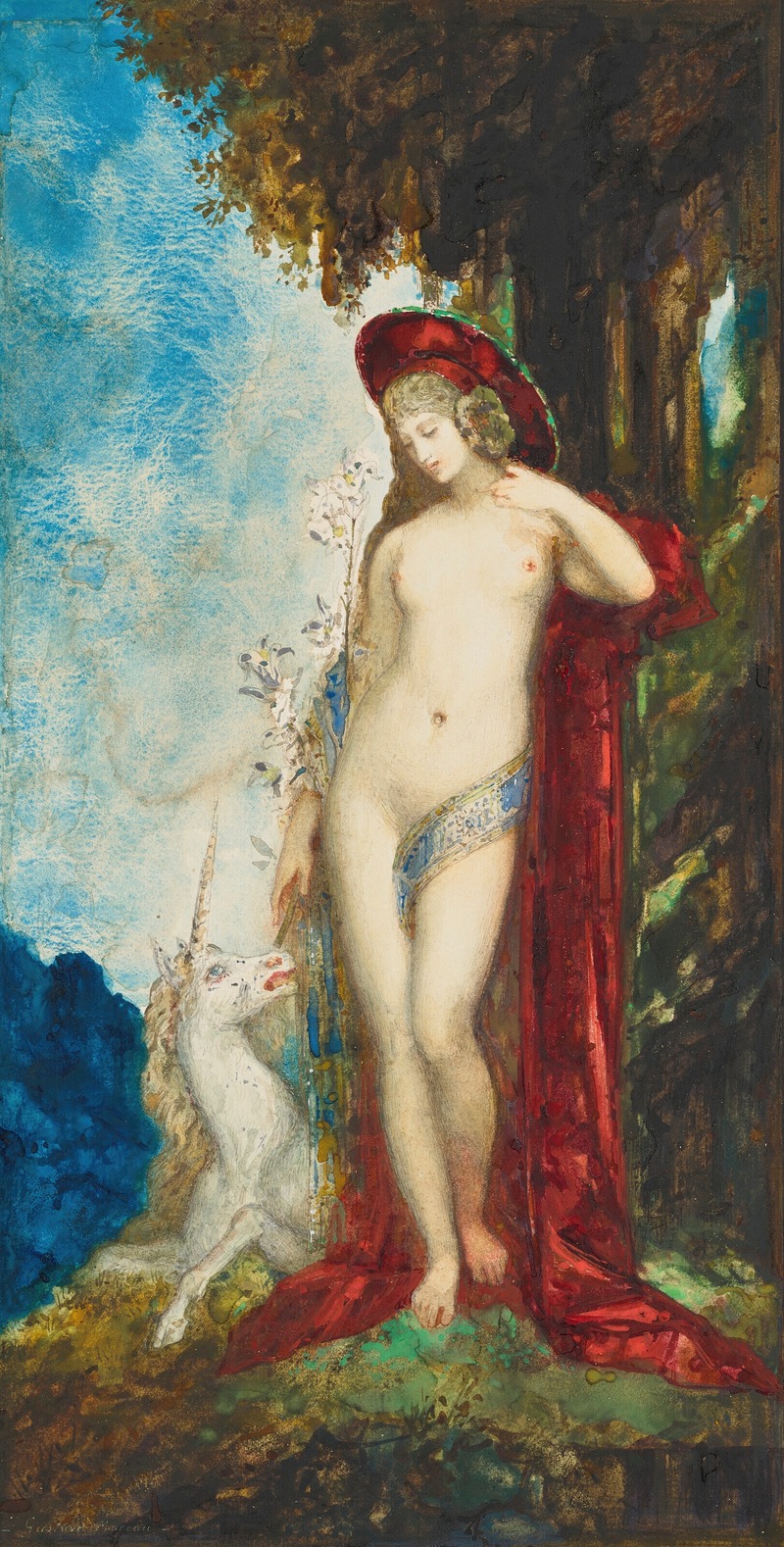
Jalal al-Din Muhammad Rumi
Poet · Persian · 1207 – 1273
Sufi poetry
The Wound Where the Light Entered
Before Shams, Rumi was a respectable scholar. He was the head of a madrasa in Konya, a jurist, a theologian, a man of considerable standing in the Seljuk court. He gave sermons, issued legal opinions, and lived the ordered life of a medieval Islamic intellectual. He was, by all accounts, content.
Then, in the autumn of 1244, a wandering dervish named Shams-e Tabrizi appeared in Konya and dismantled everything.
The meeting has become legend, and like all legends, it exists in multiple versions. In the most famous, Shams approached Rumi and asked him a question so shattering that the scholar fainted. When he woke, he was no longer the same man. He abandoned his lectures, his students, his reputation. He locked himself in a room with Shams for weeks, months. They talked, prayed, whirled, and entered a communion so intense that Rumi's followers grew jealous and resentful.
Shams disappeared -- possibly murdered by Rumi's own disciples, possibly simply vanished into the roads of Anatolia. Rumi's grief was oceanic. He searched for Shams in Damascus, on the roads, in the faces of strangers. And then, according to the tradition, he realized that Shams was not gone but had been absorbed into him -- that the beloved had become indistinguishable from the lover, and that the only adequate response to such a loss was poetry.
What poured out of Rumi in the decades that followed is one of the great torrents of lyric verse in any language. The Divan-e Shams-e Tabrizi contains over 40,000 lines of ecstatic poetry attributed to Shams, as though Rumi were merely the instrument through which the vanished beloved continued to speak. The Masnavi, his six-volume spiritual epic, runs to 25,000 couplets and is sometimes called "the Quran in Persian" -- a vast, digressive, endlessly inventive work that moves between parable, theology, comedy, and visionary rapture.
Rumi's poetry is about the annihilation of the self in love -- not romantic love as the West often misreads it, but the burning away of everything that separates the soul from the divine. "The wound is the place where the Light enters you," he wrote, and his entire body of work is an elaboration of that single insight: that brokenness is not the opposite of wholeness but the door to it.
He died in Konya in 1273. His funeral was attended by Muslims, Christians, and Jews. Eight centuries later, he is the best-selling poet in America, a fact he would probably find both amusing and irrelevant. The poetry does not belong to any country. It belongs to the wound.
The wound is the place where the Light enters you, and his entire body of work is an elaboration of that single insight.
Notable Works
- Masnavi-ye-Ma'navi
- Divan-e Shams-e Tabrizi
- Fihi Ma Fihi